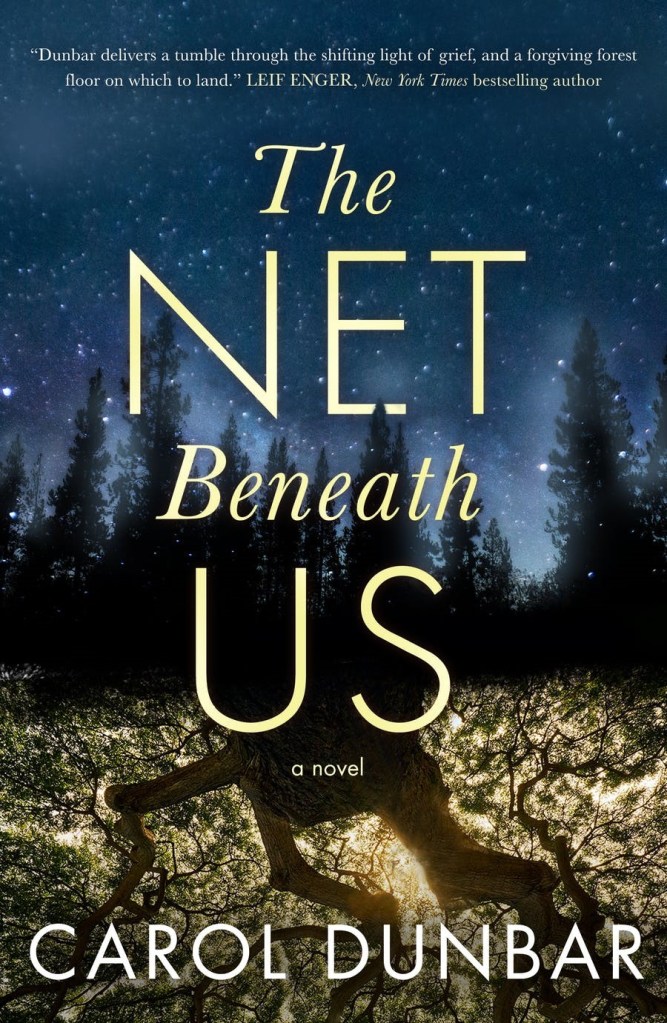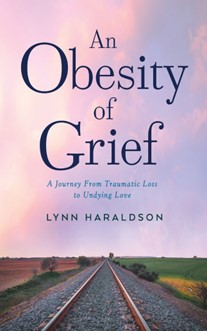
They are gathered on pages 44 and 45, enjoying a nice two-page spread in the beautiful Pink Panther Magazine, which describes itself as “a celebration of women’s art and writing.” So appropriate because it’s filled with exquisite artwork, fiction, and poetry.
I reviewed three wonderful books: The Net Beneath Us by Carol Dunbar, An Obesity of Grief by Lynn Haraldson, and Finding the Bones by Nikki Kallio. Another fun bonus — my writing friend Kim Suhr has a short story, “Pay Phone,” in the same issue. Suhr is one of my favorite writers, and so it’s a kick to be with her in the same publication.
For me it’s an honor to be part of Pink Panther Magazine with all of the talented women featured, especially on International Women’s Day.
The entrance to Drury Lane: to the left is Lake Superior, to the right is a donut shop
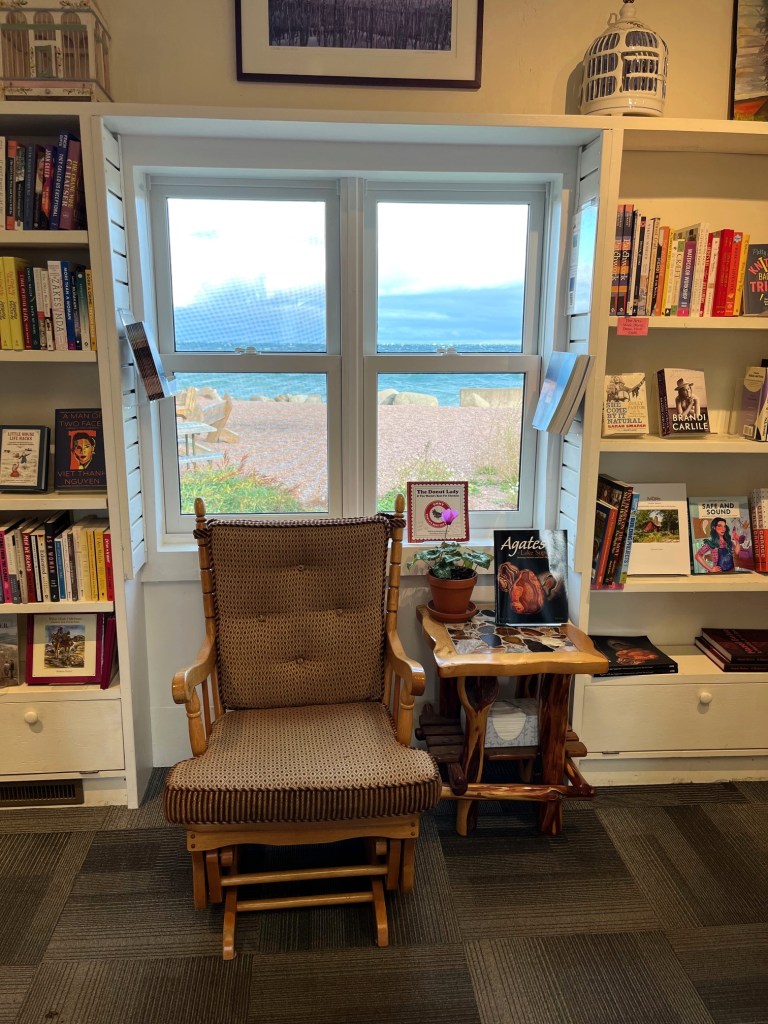
On the shore of Lake Superior, there is a small independent bookstore in Grand Marais, Minnesota, called Drury Lane Books. It’s my happy place. When I feel tired, sad, angry, or bored, I conjure up an image of the charming store, then I walk inside and sit in the window seat lined with a bright-blue cushion. In my hands I hold the perfect book, pulled from a glossy-white shelf. And I fall hopelessly in love with the characters and their stories. It’s Zen.
A cozy nook inside of Drury Lane
Last October my sister and I actually visited Drury Lane three times in one weekend. (I bought a collection of short stories and two novels.) During our first visit, the churning waves on Lake Superior roared so loudly that conversation outside the bookstore was difficult, unless we wanted to shout. And while we could have sat in the wooden chairs on the beach and read our new books, the cold, strong-fisted winds would have ripped pages from our hands. The next day the winds abated, but it was still chilly. So, we read our books in a local coffeehouse while sipping hot mugs of tea and coffee.
Drury Lane dreaming puts a smile on my face.
A great place to read a book, as long as Lake Superior is behaving
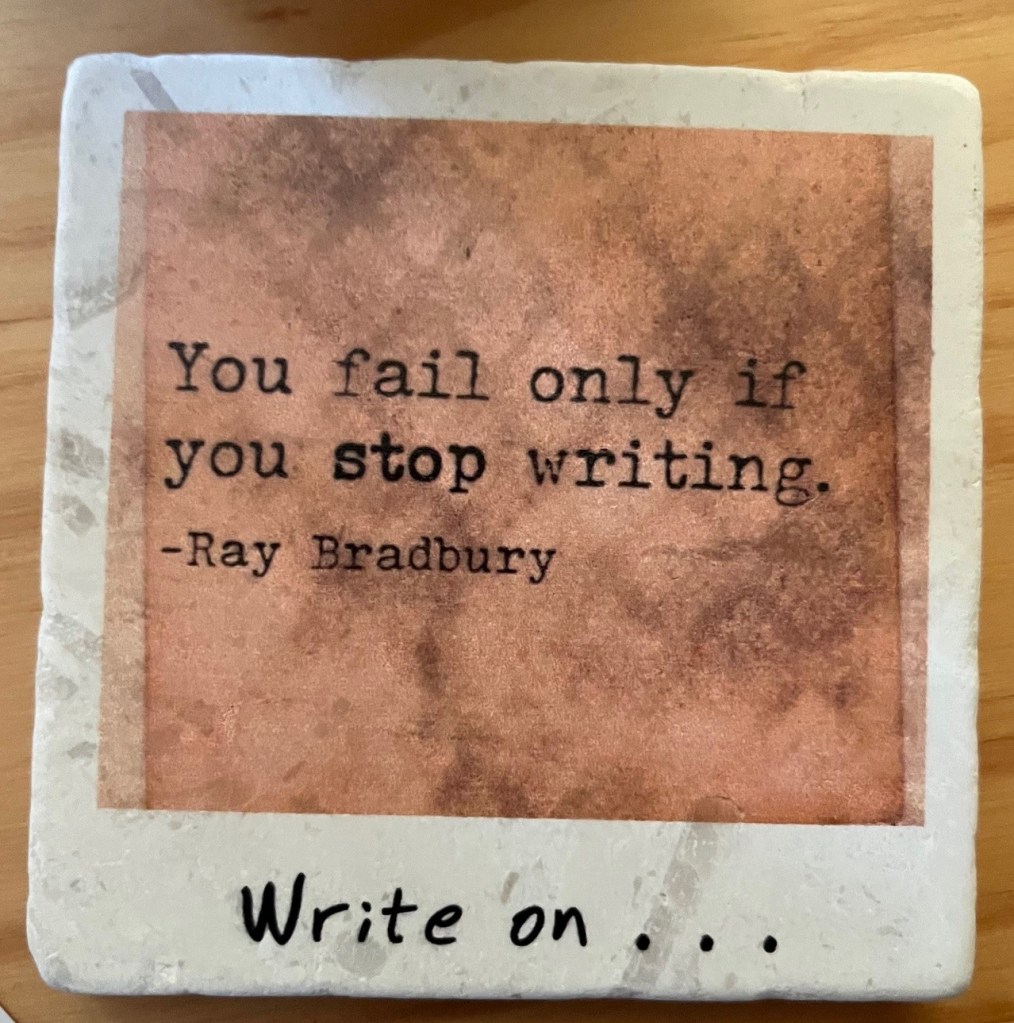
It’s Groundhog’s Day and Punxsutawney Phil has declared there will be an early spring, but I still wore my long underwear when I walked Ziva this morning. Valentine’s Day is twelve days away, and my Valentines are addressed and ready to mail. There is an extra day in February, which I plan to spend reading. I completed and submitted a creative nonfiction essay based on the theme migration. (I wrote about monarchs.) I was happy with the piece when I finally submitted it (just hours before the deadline). But while writing it, I contemplated ditching the essay to work on a short story I’m writing. Sometimes when I write a piece (like that migration essay), I feel like I’m wrestling with a tornado. To motivate myself, I kept my coffee cup on a coaster with a Ray Bradbury quote, which my sister had sent me — “You fail only if you stop writing.”
Today I’m returning to my short story. But before I dive into another writing hole, I want to share some reviews of recent reads that I have enjoyed. They are in no particular order.
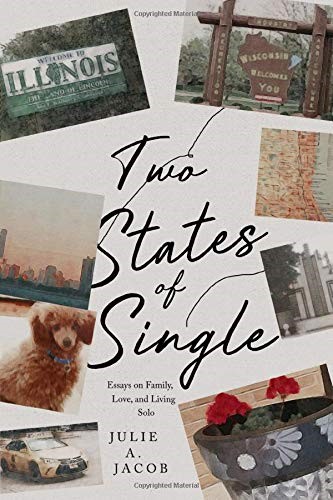
Two States of Single: Essays on Family, Love, and Living Solo by Julie A. Jacob [Leaping Poodle Press, August 2020]
Julie A. Jacob’s book is a collection of well-crafted, engaging essays. Her essays follow the arc of her life as she describes her years in Chicago; a daring adventure in Brazil; joining sports clubs for young professionals; buying her own condo, then later on a house; taking a chance on love; caring for her aging parents; and losing her parents.
Vivid writing and crisp dialogue breathe life into Jacob’s essays, which resonate because of her ability to convey why each story matters, both to her and to her readers. By the time I finished Jacob’s collection of essays, I found myself longing to meet with a group of fellow readers, sip a good latte, and discuss Jacob’s essays. Her book would make a wonderful nonfiction read for a book club because we all have stories and insights to share about our choices, careers, loves, family, sorrows, and joys.
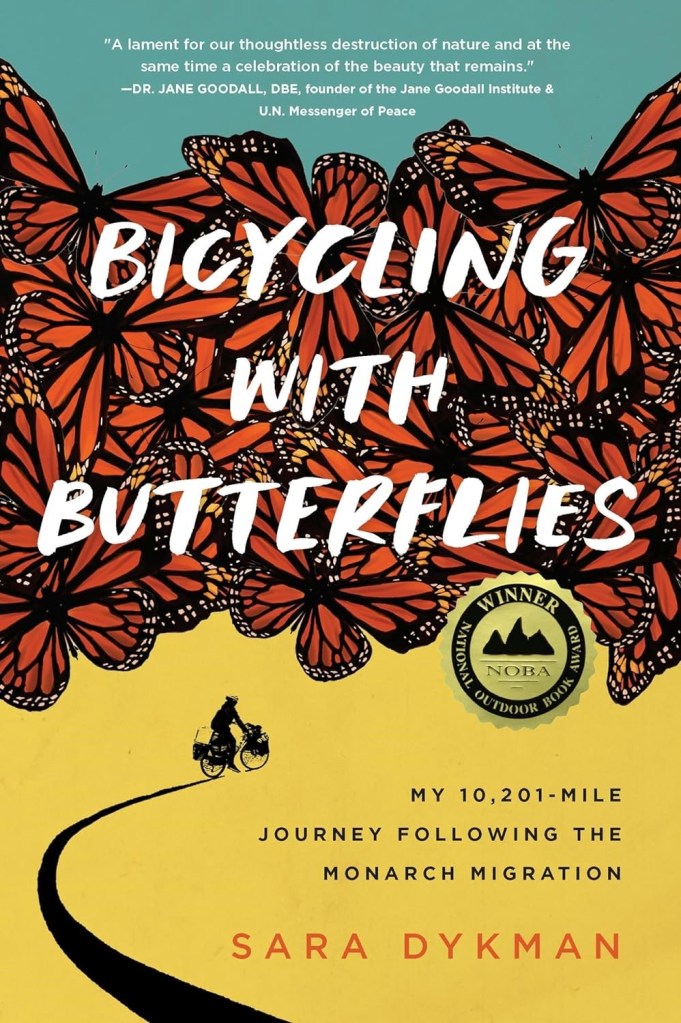
Bicycling with Butterflies: My 10,201 Mile Journey Following the Monarch Migrationby Sara Dykman [Timber Press, Inc., 2021]
Sara Dykman’s book is part memoir, part science, part ecology, part travelogue (for bicyclists), and completely engaging. I read her book as part of my research for my essay on monarch migration, and I learned a lot about the migration of monarchs, which is both complex and fascinating. I also learned how climate change and habitat loss are threatening monarchs and their migrating way of life. In order to inform the world about the plight of monarchs, Dykman bicycled over ten thousand miles, from the El Rosario monarch sanctuary in Mexico, up to New England, into southern Canada, through the Upper Peninsula of Michigan, back down the central United States, then returned to El Rosario. She strived to keep pace with the monarchs. Along the way she visited classrooms and community centers and gave talks about monarchs and their habitats. She met interesting people, delighted in Mother Nature, and overcame logistical problems.
Dykman writes about biology using creative language and imagery, drawing readers into both her remarkable journey and the amazing migration of monarchs. Readers will learn so much about nature through her beautiful prose. When I wanted to give up on my monarch essay, I thought about the ten thousand miles Sara Dykman bicycled, and told myself to stop whining about writing a twenty-five-hundred-word essay.
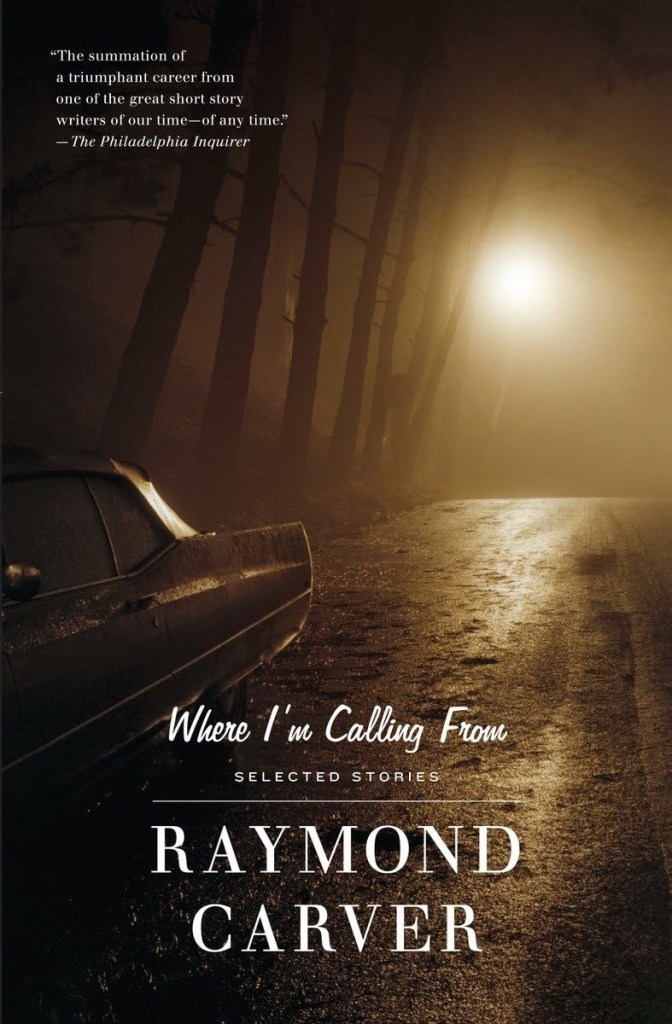
“The Third Thing That Killed My Father Off” by Raymond Carver [This short story appears in Where I’m Calling From, a collection of Carver’s short stories. First Vintage Contemporaries Edition, 1989]
“I’ll tell you what did my father in. The third thing was Dummy, that Dummy died. The first thing was Pearl Harbor. And the second thing was moving to my grandfather’s farm near Wenatchee.” And so begins the narrator, who is now a grown man looking back at an event, Dummy’s death, that killed his father’s spirit.
There are two things Carver does brilliantly in this short story. First, the dialogue and descriptions he includes. Second, the conversations and actions he omits. And between what is on the page and what lives only in the reader’s mind, Carver tells a powerful story, layered with connected themes. I read it, and then a few weeks later, I read it again.
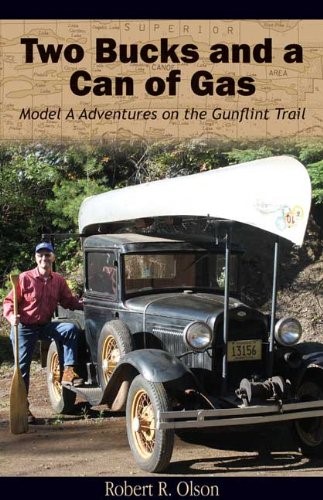
Two Bucks and a Can of Gas: Model A Adventures on the Gunflint Trail by Robert R. Olson [North Shore Press, 2012]
This is a charming series of nonfiction stories about the friendship between a man, his Model A truck, and the Gunflint Trail. Author Robert Olson develops his love of hunting, fishing, and the Model A Ford truck from his father. Olson is seven years old in 1952 when his father brings home the 1930 Model A truck.
Olson’s stories are well-written, and I liked learning about the versatile, can-do Model A truck. Once Olson has his driver’s license, he starts driving the truck to the Gunflint Trail for hunting and fishing, even during the bitter cold winters. At first he camps in an enclosed structure in the truck’s bed, then he builds a cabin. The Gunflint Trail calls to Olson, and he spends as much time as he can in the northern Minnesota wilderness. And even though roughing it during cold winters wouldn’t have been my cup of hot chocolate, Olson’s love for the wilderness, and the Model A truck that took him there, shines through.
My essay “European Tour 101” appears in Tales of Travel, a Duluth Publishing Project. This collection of poems, creative nonfiction, and photographs center around the theme: Lessons Learned while Traveling.
The anthology was curated in early 2023 by talented University of Minnesota-Duluth students from a class taught by Professor David Beard, who gave his students the gift of a real-world project.
Participating in this project was fun right from the start. I discovered the call for submissions on a Facebook page. Right away I knew I would write about the month-long trip I took to Europe when I was seventeen years old. I had been itching to write about my European trip because I have fond memories of traveling through six cities, in five countries, in twenty-seven days. But I always wondered where I could submit the essays. My trip was too long ago to be relevant for travel articles. And my European tour wasn’t filled with angst or tragedy or mind-bending revelations that would be worthy of thought-provoking, rousing essays convincing editors to say, We’ve got to publish this!
But the theme: Lessons Learned while Traveling was perfect — proving if a writer is patient, sooner or later her submission mate will arrive. Some of my best memories from my European trip could easily be described as lessons learned.
Fortunately, memory didn’t prove to be a big problem because I have a scrapbook filled with postcards; pamphlets; ticket stubs from museums, trains, subways, and buses; my airline boarding pass; maps; menus; and receipts. Plus, I have lots of photos. I quickly came up with an idea for an essay, but I spent hours writing and revising. I wanted it to be perfect, so perfect that the editors would say, We’ve got to publish this!
I divided my essay into sections: Travel without a Hangover; Even Muscle-Bound Bulls Have Feelings; If You Don’t Know the Language, Don’t Insult Those Who Do; Patriotism is Fine, But Ditch It for the Ballet; Serenade Your Tour Guide; Be Alone with Yourself in a Place You’ve Never Been Before; and Freedom from the Threat of Violence.
I was thrilled when my essay was accepted. My fondest memories about one of the best times in my life would be in print. And out there in the world.
Making it even sweeter, Professor Beard and his students hosted a book lunch for the writers during the spring semester, even though the book wouldn’t be released until December 2023. But college classes change at the semester and the students who worked on Tales of Travel would be off to other classes or perhaps have graduated when the book came out.
Held in a university classroom, it was a wonderful book launch, and there were a couple of copies of the book that we could hold and thumb through. I’m sure each writer looked for their own piece of writing in the book. I know I did. We munched on cupcakes, cookies, and assorted chips, and sipped bottles of water.
Each writer was invited to read for about five minutes. Some of the students had pieces in the anthology, but I think only one or two of them read. When they were called upon, most turned a ghostly white, lowered their eyes, and shook their heads. They were too nervous to read in front of strangers, most of whom were old enough to be their parents or grandparents. But we older folks were nervous too. I could see it in our hesitant walks to the dais. I could hear it in our voices that trembled. I could feel it in our lungs as we reminded ourselves to just breathe. Because young or old, we shared a common wish — that someone would like what we had written.
After the reading, we all gave a collective sigh of relief. It was over, and no one had fainted. We mingled and thanked the professor and the students. When people started to leave, Professor Beard pleaded, “Please, have more food. Take some home with you.” He didn’t want to haul it back to his car.
I’d already had a cupcake, but I grabbed a bag of Fritos, my favorite salty treat. Something to savor on my ride home, along with the rest of the evening.
[Published in 2009 by Random House Publishing Group, Ford’s novel was a New York Times Bestseller.]
Why did I read this book?
First, the catchy title and the cover art intrigued me. Then, I read the synopsis on the back cover, and learned the novel was historical fiction, another plus. Next, I read the first page of the book, and I liked what I read. Finally, the cost of the book sealed the deal. It was $3.00. I was in a local hospital gift shop where they sell used books. Any time I go to either one of the local hospitals where I live, I stop in their gift stores. They have the loveliest gifts, and they sell used books, where I’ve purchased some wonderful books over the years. Hotel on the Corner of Bitter and Sweet is one of them.
What is this book about?
The story, set in Seattle, opens in 1986 in front of the Panama Hotel, a place that holds both bitter and sweet memories for Henry Lee, a Chinese American citizen, who is in his mid-fifties and has recently lost his wife, Ethel, to cancer. Since his wife’s death, Henry’s relationship with his adult son, Marty, has become even more strained because Ethel played go-between for the father and son. The story switches back and forth between 1986 and 1942. The chapters set in 1942 reveal twelve-year-old Henry’s childhood difficulties with his father; his friendships with Sheldon, an African-American jazz-playing saxophonist, and Mrs. Beatty, a cranky school cook; and his love for Keiko Okabe, a Japanese American girl who attends school with him.
An entrepreneur who recently bought the Panama Hotel has discovered suitcases and boxes of stashed possessions stored there for safekeeping by Japanese Americans in 1942 before they were transported to internment camps. But over the last forty-some years, no one has ever returned to claim their belongings. As Henry stands in front of the Panama Hotel, memories of his childhood sweetheart, Keiko, who was rounded up with her family in 1942 and sent to an internment camp, bubble to the surface. He decides to find an item that had special meaning to both of them, a symbol of their love for one another and their shared passion for jazz. He believes the item is somewhere among the hordes of forgotten objects in the basement of the hotel. Alone the search would overwhelm him, so he enlists the help of his son and his son’s girlfriend.
What makes this book memorable?
Jamie Ford’s novel has richly drawn characters and a finely crafted storyline that is, in turns, compelling, suspenseful, heartbreaking, and hopeful. This coming-of-age story about first love and forging one’s own way in the world, even against a parent’s wishes, is set against a backdrop of prejudice and misguided patriotism that rises to a crescendo after the bombing of Pearl Harbor in 1942. It’s also the story of immigrants who come to the United States, hoping for a better life for themselves and their children. But the parents and their children often clash as the older generation clings to the ways of the old country and their children adapt to the ways of the new country. The universal themes in Ford’s novel, told in a fresh way and set during a reprehensible episode in American history, are as relevant today as they were in 1942.
[To learn more about Jamie Ford and his other novels, click here. To learn more about the Panama Hotel, which was a real place and still exists, click here. To buy a copy of Ford’s novel, click here.]
During December you can shop or you can read books. Or better yet, you can shop for books! Recently, I learned about a delightful Icelandic tradition called Jolabokaflod, which loosely translates into Christmas book flood. Every November the Icelandic book trade publishes a catalog of new releases, which is mailed to every household in Iceland. People buy books for their family and friends as Christmas gifts. On Christmas Eve after gifts are opened, everyone is encouraged to start reading their books right away. Imagine the peace and quiet and magic as each person slips into the pages of a book and into another time and place. Perhaps, one of these books will help you start your own family Jolabokaflod.
Hamish Macbeth, the usually unflappable town constable of Lochdubh, a small village located in the Highlands of Scotland, is out of sorts. Christmas is fast approaching, and Hamish is disappointed because he cannot spend the holidays with his mother, father, and six siblings, who have gone to Florida for the holidays. Hamish must tend to his beat in Lochdubh and to another constable’s beat in nearby Cnothan.
Author M. C. Beaton (1936-2019) wrote a series of cozy mysteries featuring Hamish Macbeth who uses his intelligence, keen observation, and intuition to solve murders, showing up his superior officers. But it’s Christmas and in the spirit of peace and goodwill, Beaton’s A Highland Christmas is a very, very cozy mystery — skipping the murder.
However, Hamish’s pre-Christmas days are filled with small mysteries. Mrs. Gallagher, a detested, ill-willed spinster, rings up the police station to report her cat is missing and demands that Hamish find it. He also wants to discover why Mrs. Gallagher is a nasty-tempered old woman who bars and bolts her door and seldom leaves her home. Meanwhile, in Cnothan someone has stolen the town’s Christmas lights and tree, and Hamish is called to solve the Grinch-like crime. Hamish also wonders how he can convince a little girl’s Calvinist parents, who view Christmas as a heathen celebration, that their daughter should have gifts for Christmas, like the other children in her school.
A Highland Christmas is a warm-hearted novella filled with interesting characters who discover kindness is the best Christmas gift of all.
[If you wish to read this book, you will need to buy a used copy, make a visit to your local library, or listen to a digital copy because it’s out of print. I have listened to it twice as an audio book. It’s become part of my Christmas tradition, like watching A Christmas Carol. This year I bought a used hardcover version and was delighted to find that it has charming illustrations. I don’t know if the paperback version is illustrated.]
Most of us are familiar with the letter carrier’s motto: “Neither snow, nor rain, nor heat, nor gloom of night stays these couriers from the swift completion of their appointed rounds.” We know letter carriers sizzle under the hot summer sun, get wet in the rain, trudge through snow, and freeze on sub-zero winter days. But we don’t necessarily know about the rest of “their appointed rounds.
Wyckoff’s collection of stories about his job as a letter carrier made me smile, laugh, cringe, and cry. For over fifteen years, Wyckoff delivered mail in a neighborhood in South Minneapolis. He came to know the people on his route, most of whom were kind, although some could be difficult. Wyckoff is a wonderful storyteller and a very good writer. His stories entertain, enlighten, and educate. He encounters an attack cat, biting dogs, cranky customers, lost pets, and on one particular day, a young child waiting for his mother who isn’t showing up. He writes about people on his route who became his friends, sometimes inviting him to be part of their family milestones. Ever wonder how a letter carrier’s day starts or what happens when he has to deliver a registered letter? Wyckoff offers up a well-rounded, well-written, informative, and heart-warming collection of stories about his career as a letter carrier. As a bonus, readers come away with a better understanding of what it takes to deliver the mail.
I liked this book so much that when I couldn’t find any other way to let Vincent Wyckoff know, I mailed a letter to him in care of his publisher. [Vincent Wyckoff also writes mysteries. For more information, click here.]
After my mother-in-law died, my father-in-law invited me to look through her books and take what I wanted. I found Mr. Chartwell on her bookshelf. The cover caught my attention. I turned the book over and one of the blurbs mentioned Winston Churchill and his “black dog of melancholy.” I knew Churchill suffered from bouts of depression. Intrigued, I placed Mr. Chartwell on the pile of books I wanted.
Mr. Chartwell, Rebecca Hunt’s debut novel, deals with depression — a heavy subject. (The cover art, which caught my eye, belies the book’s seriousness.) However, Hunt combines sardonic wit with verbal and situational irony, creating moments of comic relief that are at turns dry, surreal, and dark, but which also lighten the story’s somber mood.
Hunt’s story is set in England and takes place in 1964, from July 22 through July 27. Winston Churchill will soon retire from public service, and he isn’t happy about it. Mr. Chartwell, a large black dog, who has spent a lot of time with Churchill throughout his life, returns to keep him company. Churchill isn’t happy about that either because Chartwell is the black dog of depression. Hunt personifies depression through Chartwell who is a very large, intrusive black dog and who alternates between beating around the bush or cruel bluntness when speaking. Esther Hammerhans, a young widow of two years, advertises for a boarder, and Chartwell answers her ad. She is shocked when she meets Chartwell at her door because the big black dog speaks to her while extending his huge paw for a shake. Chartwell convinces Esther to let him move in, so he splits his time between Churchill’s estate and Esther’s house.
Hunt’s use of figurative language is often quirky and elbows a reader’s sensibilities off kilter, which mimics what depression can do to a person. Her use of unusual metaphors made me groan a few times, but overall, I admired and enjoyed her fearless approach to creating a unique narrator’s voice. Her striking prose invites readers to slow down, read each sentence carefully, and absorb the intricate range of emotions Churchill and Esther experience when confronted by Chartwell. Hunt deftly juxtaposes Churchill’s long-standing battle with Mr. Chartwell against Esther’s beginning struggles with the black dog.
It would be a groan-worthy pun if I had titled this piece “Fall into Books.” But on the race track of seasons, autumn is — by two horse lengths — my favorite season, plus I think autumn is a beautiful word. Autumn colors are magnificent, and this year nature outdid herself with luminous swaths of red, orange, and yellow. Autumn air is crisp (often code for cold and windy where I live), so it’s a good time to read. (Really, anytime is a good time to read.) And I read lots. I’m a writer, so reading is part of my craft. I hope to be inspired by and to internalize good writing: the plots and subplots, the organization, the characterization, and the dialogue. Before we get too far into autumn, I’m going to share some of my recent reads, all of which were enjoyable, stimulating, and page-turning. So, if you’re looking for ideas . . .
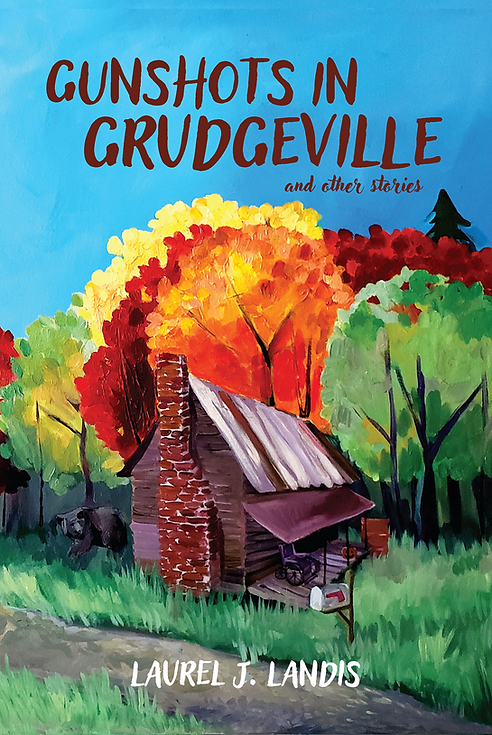
I loved the cover of this book and its catchy title. And Laurel J. Landis’s short stories beneath the cover are just as vibrant and intriguing as the autumn trees and the mysterious old shack — inviting readers to sit and connect with ordinary people living in a small town. Landis pulls readers into the lives of her characters and their tales of bad choices, grief, coming-of-age, love-gone-awry, and broken promises. I lived in a small town for three years, and Landis masterfully nails the feel of small-town life. Her characters and settings are authentic, reminding me of people I once knew in the unincorporated town of 350 where I once lived. Landis’s short stories remind us we don’t have to travel to faraway lands or other worlds because life happens everywhere, even in small towns. My favorites: “Tornado,” “Small Injuries,” “Breathless,” “Junction, County T,” and “Gunshots in Grudgeville.” [To order Landis’s book, click here.]
Mallory Moe, a twenty-five-year-old Army vet, works overnights at Speed Stop, a gas station and convenience store in rural northern Wisconsin. She is estranged from her family, in an abusive relationship, and drifting through life. While out on a cold winter’s night, Mallory encounters Shay, a teenage girl, who is hurt and on the run from an abusive boyfriend who is trafficking her. As she tries to help Shay, Mallory realizes she must confront her own traumatic childhood.
Don’t expect this book to be a thriller about rescuing trafficked girls from the clutches of evildoers at the eleventh hour. Carol Dunbar‘s novel is so much better, deeper, and smarter. She researched the science of PTSD, the brain, and current counseling practices that help people recover from childhood traumas. Dunbar deftly weaves her research into A Winter’s Rime, keeping it in the background, so it’s Mallory’s riveting story that drives the novel. Dunbar’s supporting characters, even the ones who make short appearances are memorable and believable. Dunbar likes to say her novels are character driven, and they are. But she is also a master of settings that are beautiful and haunting, often metaphors for the struggles the characters face.
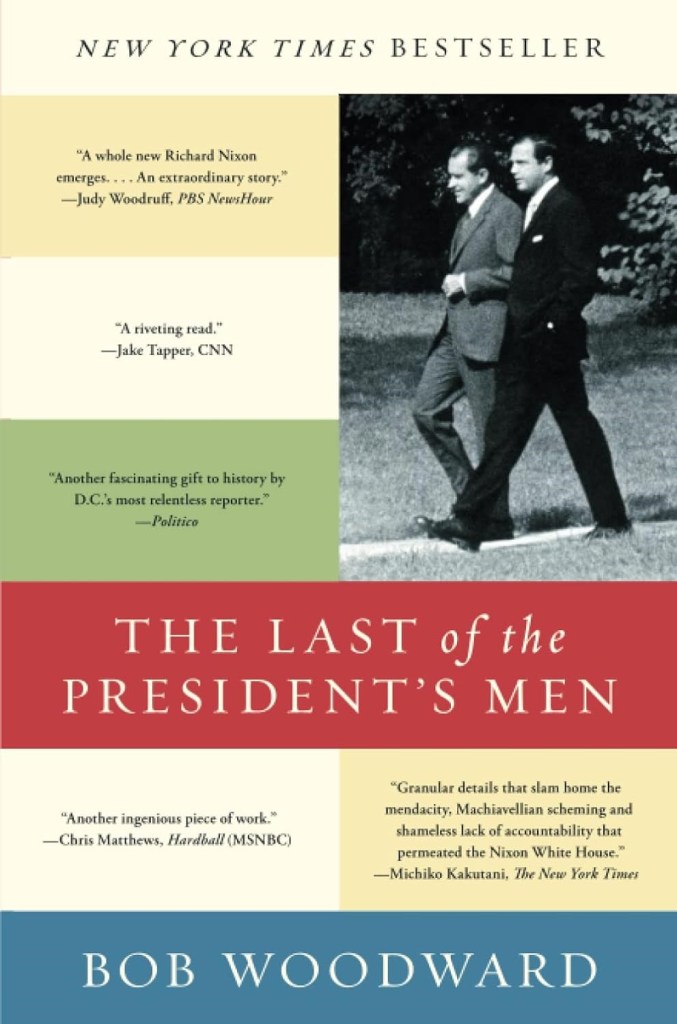
I read this book because I heard Cassidy Hutchinson, author of Enough, talk about it. I was fourteen when Richard Nixon resigned from the presidency because of Watergate. In my early twenties, I read All the President’s Men by Carl Bernstein and Bob Woodward and Blind Ambition by John Dean. I decided it was time to read another book about Watergate.
Woodward held extensive interviews with Alex Butterfield, who worked closely with H. R. Haldeman and President Nixon. Both Butterfield and Haldeman knew about Nixon’s taping of White House conversations. During the Watergate investigation, Butterfield testified about Nixon’s tapes, effectively ending Nixon’s presidency.
The most frightening takeaway from The Last of the President’s Men is that so many of Nixon’s staff and supporters had blind loyalty to him, even though he broke the law, even though he believed his methods to maintain power were justified, even though he felt his presidency meant he was above the law — the behavior of dictators. Supporters saw Nixon as their president, and they ignored his abuses of power.
The Last of the President’s Men is well-researched and clearly written. Even though I knew Butterfield would testify about Nixon’s tapes and that Nixon would resign, Woodward’s book about Nixon and his staff, who believed it was their job to keep their president happy and do his bidding, even if they knew it was wrong, was very scary.
And if you don’t have time to read a book, try a single short story!Below are three choices to consider.
Isabelle and Blake are young, in love, and on their honeymoon. Everything is wonderful, until it isn’t. (My synopsis is short because readers need the joy of discovering Kim Suhr’s thought-provoking, well-crafted story for themselves.)
Suhr’s short story “APrayer4You.com” haunts my thoughts. I might go for weeks without thinking about it, then something nudges my brain, and I wonder, How is Isabelle coping? And what about Blake?
Even though “APrayer4You.com” is a short read, under 1,600 words, savor each word, sentence, and paragraph because Suhr weaves a gripping story in a short space. There are so many layers of meaning in her story that it would make a good selection for a book club. (Or, brilliant idea that just occurred to me: a short story club for readers who have busy lives!)
Note, if you’re a writer, read Suhr’s story as a reader first. Then go back and read it again as a writer. Pay attention to her use of opposites in the story. Opposite situations, opposite ideas, opposite beliefs, opposite personalities, opposite actions. Suhr skillfully uses all these opposites to create tension in her story. [Suhr has also published a wonderful collection of short stories titled Nothing to Lose. Visit Suhr’s author page. Click here to read “APrayer4You.com.” ]
Euphemia, Effie for short, has run away from home and the insults of her older brother. But she’s young, and so she’s hidden herself away in the yard. She refuses to come out of hiding when her mother calls her for supper. In a swift 690 words, Diana creates a story with a magical sense of wonder that takes readers back to a time when all things were possible to a young child.
I don’t want to say too much about this story and its themes or the different ways to think about it because I want readers to have the joy of reading this gem.
Diana writes the blog wonkagranny. Even though I follow her blog, I don’t know her last name, but she gave me permission to post a link to “Effie’s Trinket.”
Note, if you’re a writer, you will enjoy reading Diana’s comments about her writing process, which appear before and after “Effie’s Trinket.” Also, be amazed at how a simple story can be layered with the many textures of life.
“To Build a Fire” by Jack London
On an “exceedingly cold and gray” day in the Yukon Territory, a man who is inexperienced with the brutal arctic winters decides to walk to another camp to visit friends. Before leaving, he is warned about the dangers of hiking alone in the extreme sub-zero temperatures. But he has the arrogance of a newcomer, who neither respects nor understands the perils of his new home. His hike does not go well.
Jack London’s “To Build a Fire” is one of my favorite short stories. On a micro level, this story is about the arrogance of one man who brushes off the warning from an old-timer who tells him he shouldn’t go out alone because the temperatures are dangerously cold. On a macro level, this story can be read as a metaphor about the arrogance of the whole human race, who are newcomers on Earth, and their disregard for nature.
Note, if you’re a writer, part of what makes this story so horrifically chilling is London’s accurate, detailed, and graphic descriptions about what his character experiences, physically and emotionally, as he slowly freezes to death. London’s attention to these details teaches me that even in fiction, research is important to a story.
[The link I provided is for the 1908 version of London’s story, in which the protagonist dies. In the 1902 version, the protagonist lives. London was right to modify the story’s ending. The tragic version is powerful and thematically more complex.]
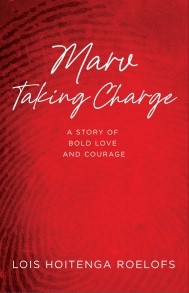
On May 5, 2023, I wrote about Lois Hoitenga Roelofs’ wonderful memoir Marv Taking Charge. It’s the story of her husband, Marv, and his decision to skip chemotherapy when he is given a terminal cancer diagnosis. He decides to live what is left of his life without the often debilitating side effects of chemo. Roelof’s book is a well-written and important story. Readers learn about the process of hospice and dying. She covers the emotional and practical aspects with honesty and courage. Congratulations on the award, Lois! Marv would be so proud!
On Friday morning I woke up with several goals in mind. I needed to wash some blankets and area rugs. I planned to cook an enchilada casserole using some homemade enchilada sauce a friend gave me. And I wanted to submit my 45,600-word collection of short stories to the 2024 Iowa Short Fiction Awards.
I have been working on a collection of short stories since January 2019, when I wrote my first short story, one I actually completed from start to finish. I submitted the story to a local contest, and it won first prize.
But I had a lot to learn.
For the next four years, I kept writing stories and essays. I started a blog. I took writing classes and attended writing seminars. I went to hear authors speak about their writing. I subscribed to writing magazines and read them. I read books on the craft of writing. I shared my drafts with writing groups, friends, and family members who were willing to give me feedback. I read lots and lots of books, novels and memoirs, short stories and essay collections. I was always a reader, but I kicked it up to a new level. And I revised “finished” stories based on my new insights.
I have submitted stories and essays to journals and contests, and I have nearly two hundred rejections to prove it. But some of my stories and essays have been published, and a handful have won or placed in contests. A year ago I did some math and discovered my acceptance rate was almost fifteen percent, but I don’t get published in the higher-ranking literary journals.
The writer’s bio I send with my submissions usually contains the words: “She is working on a collection of short stories.” Because a writer’s bio is written in the third-person, it feels like I’m talking about some other person, way over there, sitting at the other end of the room. But putting the words about writing a book of short stories in my bio was a contract with myself. That I wouldn’t just say it — I would do my best to make it happen. And my story collection grew.
On Friday morning the only thing I had left to do was finalize the order in which my stories would appear in my book. I paced like a traveler on a platform, waiting for an overdue train. I put the dishes away, made oatmeal, paid the power bill, and did a load of washing. I waited for my husband to go to work, so I could concentrate without interruptions, then I waited for feedback from one of my readers regarding which seven stories she felt were the strongest. I had asked four different readers to choose their top seven stories. The goal in arranging a short story collection is to start and end strong, and sprinkle other strong stories throughout the collection.
I knew which story would be the engine and which one would be the caboose, but I agonized over how to arrange the rest of the cars in my train of stories. I finally told myself, “Stop being ridiculous. If the judges don’t choose your story collection, it won’t be because they felt you should have put “Silent Negotiations” before “Elmer Wilson’s Viewing.”
I took a deep breath and folded over in the ragdoll yoga pose. After all, I didn’t even need to write a query letter to accompany my submission, and I didn’t have to pay a reading fee. Just a minimum of 150 pages, double spaced, with one-inch margins, preferably as a PDF file. Geez, I just needed to relax.
A short while later, I received my last reader’s list of favorites. Using Post-its on a large piece of newsprint, I moved story titles around until I was happy with their sequence. I copied and pasted the stories into one document then reviewed it. I filled out the electronic submission form and uploaded my file. After a slow inhale, I clicked submit, then exhaled. My stories had left the station on their first adventure. I won’t hear about them until January 2024. In the meantime, I will keep reading and learning and writing.
In the afternoon I washed the blankets and rugs, then I made the chicken enchilada casserole for supper. It was marvelous, and to celebrate my first book submission, I paired the casserole with a Bell’s Oktoberfest beer.
Now my bios will include: “She has finished her first short story collection and is submitting queries to publishers,” or something like that — it might need a few revisions.
“I have a story in this book,” I whisper to my granddaughter. We are in Redbery Books in Cable, Wisconsin. I hold an anthology of essays, short stories, and poems published by the St. Croix Writers of Solon Springs in 2020.
I whisper because I don’t want the clerk to think I’m bragging. Yet, I’m itching to tell the clerk, I have a story published in this book.
“That’s nice,” my granddaughter says, her voice mixed with a bit of awe, excitement, and curiosity. “What’s it called?”
I open the book to the table of contents and find my entry. As I show my granddaughter, I run my finger under my name and the title of my piece — Victoria Lynn Smith: A Cracker Jack of a Story, page 192. “It’s an essay about eating Cracker Jacks with my nana and the story she would always tell about finding a real diamond ring inside one of the boxes when she was a girl.”
I love the Redbery Books! It’s charming and cozy.
I want to tell the clerk, I’m in this anthology. Instead I return the book to the shelf where it’s displayed cover-side out, in a place of prominence. To see a book, in a bookstore, with my writing in it, fills my body with loads of tiny giggling bubbles joyfully bouncing around, tickling my insides.
But, I don’t want to come across as boastful.
I move away from the book but chide myself, What’s wrong with you?If you can’t even tell a clerk in a bookstore that you have an essay in a book they are selling, how are you going to promote the book of short stories you’ve almost finished writing.
I realize if I don’t tell the clerk, I will regret it. My book of short stories doesn’t have a publisher yet, maybe it never will. This is the first time a piece of my writing is in a book, in a bookstore, for sale. Maybe that won’t ever happen again.
I turn back, take a deep breath, and lift the book again. I walk up to the clerk who is behind the counter and say, “I have an essay in this book.”
She smiles and gives me the best possible response: “So you’re a writer, then?”
“Yes,” I say, and the tiny giggling bubbles inside of me shift into overdrive.
The clerk asks my name and the title of my piece. I hope she will read it later but realize she probably won’t. But I will remember her moment of undivided attention and kindness.
When I leave the shop, I don’t feel like a braggart. I feel proud. If my book of short stories gets published, promoting it will be difficult for me, but I will remember the clerk who was gracious — because most people are gracious.
Before I leave the bookstore, I buy a journal with dapper foxes on the cover and a greeting card featuring a few lines of poetry by William Butler Yeats. I hope to one day have a book of my own on a shelf in a bookstore, so the words by Yeats are encouraging.
[Note: When I sat down to write this blog, I opened my copy of Many Waters and found I actually have three pieces in the anthology. I’d forgotten about the other two, which aren’t listed in the table of contents. My other two pieces are “Writing’s Daily Worries,” an essay first published by Brevity Blog; and “Tossed,” a short story that won first place in a contest and was also selected for WritersRead at Northland College in Ashland, Wisconsin, where it was recorded for Wisconsin Public Radio.]